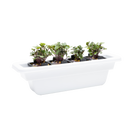
The best hydroponic system for growing tomatoes indoors is a deep water culture or nutrient film technique setup that keeps your water pH between 5.8 and 6.3, maintains a nutrient solution temperature around 68°F, and provides at least 14–16 hours of light per day. Compact determinate varieties thrive in systems like The Rise Garden 3, producing harvestable fruit in as few as 60 days.
Growing tomatoes hydroponically indoors gives you year-round harvests without depending on outdoor seasons, soil conditions, or unpredictable weather. But tomatoes are one of the more demanding crops you can grow — they grow tall, need strong support, and require consistent nutrients and lighting to fruit well. Getting your indoor tomato growing setup right from the start saves you weeks of troubleshooting and a lot of frustration.
What Makes a Hydroponic System Work for Tomatoes?
Tomatoes need three things that many indoor growing setups struggle to deliver consistently: sufficient root space, strong nutrient delivery, and vertical clearance. A system that works beautifully for lettuce or herbs may not give tomato roots enough room to anchor a plant that can reach 4–6 feet tall indoors.
Deep water culture (DWC) systems keep plant roots submerged in an oxygenated, nutrient-rich solution. This constant access to water and nutrients accelerates growth significantly — hydroponic tomatoes can grow up to 50% faster than their soil-grown counterparts, according to grower data compiled across controlled environment agriculture trials. Nutrient film technique (NFT) channels a thin stream of nutrient solution over roots continuously, which also works well for tomatoes and tends to use less water than DWC.
Whichever method you use, your nutrients need to deliver the right balance of nitrogen, phosphorus, potassium, calcium, and magnesium. For tomatoes specifically, a higher potassium level during fruiting — roughly a 1:2 nitrogen-to-potassium ratio — encourages larger, more flavorful fruit. Electrical conductivity (EC), the measure of nutrient concentration in your solution, should sit between 2.0 and 3.5 mS/cm for tomatoes, higher than most leafy greens require.
Which Tomato Varieties Grow Best in an Indoor Garden?
Variety selection is one of the most important decisions in your indoor tomato growing setup. Indeterminate varieties like beefsteak or heirloom types keep growing and fruiting indefinitely — but indoors, they quickly outgrow most systems. Determinate (bush) varieties stop at a predictable height, usually 2–4 feet, and set all their fruit within a concentrated window, making them far more manageable.
The top performers for indoor hydroponic growing include:
- Cherry tomatoes (Tiny Tim, Tumbling Tom, Terenzo) — compact, prolific, and fast. Most produce fruit in 55–65 days from transplant.
- Patio tomatoes — bred specifically for container growing, with sturdy stems and moderate height.
- Roma tomatoes — determinate, meaty, and relatively compact for their yield output.
Avoid large-vine indeterminate types like Big Boy or most heirloom beefsteaks unless your system has significant vertical clearance — at least 5–6 feet from the grow tray to the ceiling — and a robust trellis infrastructure.
Rise Gardens' seed pods include cherry tomato varieties pre-loaded for hydroponic growing, removing the guesswork around germination media and early nutrient needs.
How Do You Support Tomatoes in an Indoor Hydroponic Garden?
Supporting tomatoes in an indoor garden is non-negotiable. A fruiting tomato plant can weigh several pounds when loaded with developing fruit, and without support, stems snap, plants tip, and root disturbance can set your harvest back by weeks.
The most reliable methods for a hydroponic system for tall plants include:
- Vertical string trellising: Attach soft twine or tomato clips to an overhead anchor point and wind the main stem upward as it grows. This is the same method used in commercial greenhouse production and works equally well at home scale.
- Stake-and-clip systems: A bamboo or metal stake placed in the grow pod, secured with tomato clips every 6–8 inches of new growth, keeps the plant upright without requiring overhead anchoring.
- Horizontal netting: Stretched above the canopy, netting lets branches rest naturally while the plant pushes upward through the grid.
NASA's Veggie project, which has tested plant growth in confined, resource-limited environments, confirmed that vertical trellising maximizes productive canopy space while reducing physical stress on plant stems — a finding directly applicable to compact indoor setups.
If you're growing in a larger system like The Rise Loft, its vertical footprint gives you the overhead clearance to trellis tomato plants properly without them crowding out neighboring pods. For smaller spaces, the Personal Rise Garden pairs best with ultra-compact determinate varieties that stay under 18 inches.
What Light and Temperature Does an Indoor Tomato Setup Need?
Tomatoes are high-light crops. They need a minimum of 8 hours of direct or full-spectrum artificial light daily to survive, but they won't fruit well below 14–16 hours under grow lights. Full-spectrum LED systems in the 400–700 nm range (photosynthetically active radiation) at an intensity of at least 400 µmol/m²/s at canopy level are the standard target for productive tomato growing.
Temperature matters just as much. The ideal daytime range for hydroponic tomatoes is 65–80°F, with nighttime temps no lower than 60°F. Below 55°F, tomato plants stop setting fruit entirely. A 2019 study from the University of Arizona's Controlled Environment Agriculture Center found that maintaining a consistent 72°F root zone temperature increased tomato fruit set by 22% compared to fluctuating ambient conditions.
Humidity should stay between 50–70%. Higher humidity encourages fungal issues like botrytis; lower humidity stresses the plant and can cause blossom drop, which directly reduces your yield.
Frequently Asked Questions
How long does it take to grow tomatoes hydroponically indoors?
Most cherry tomato varieties reach first harvest 55–70 days after transplanting seedlings into your hydroponic system. Larger varieties like roma or patio tomatoes typically take 70–85 days. Germination adds another 7–10 days before transplant, so plan for roughly 65–95 days from seed to first pick depending on variety.
What pH should my hydroponic water be for tomatoes?
Keep your nutrient solution between pH 5.8 and 6.3 for tomatoes. This range keeps essential minerals like calcium, magnesium, and phosphorus in their most plant-available forms. Outside this window — especially above 6.5 — nutrient lockout can occur, causing yellowing leaves even when your solution is fully dosed.
Can I grow tomatoes in the same hydroponic system as herbs or lettuce?
You can, but there are trade-offs. Tomatoes prefer a higher EC (2.0–3.5 mS/cm) and more potassium than herbs or lettuce, which thrive at EC levels of 1.2–2.0 mS/cm. If you mix crops in one reservoir, set nutrient levels closer to the tomatoes' needs and choose the most nutrient-tolerant herbs — basil and parsley handle moderate EC levels reasonably well — as neighbors.