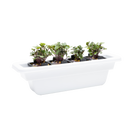
The best indoor hydroponic garden for beginners is one that automates light and nutrient delivery, keeps water pH between 5.5 and 6.5, and gets you to first harvest in as few as 7 days for fast crops like lettuce. Entry-level systems typically start around $100–$150 and require less than 10 minutes of weekly maintenance.
Hydroponics is a method of growing plants in nutrient-rich water instead of soil. For new growers, that means no dirt, no outdoor space, and no guesswork about watering schedules. The challenge is knowing which system actually delivers on that promise. This guide breaks down what features matter most, which crops to start with, and how to match a system to your living space and goals.
What Makes the Best Indoor Hydroponic Garden for Beginners?
Not all hydroponic systems are equally forgiving. Deep Water Culture (DWC) and Nutrient Film Technique (NFT) can be rewarding, but they require more monitoring of electrical conductivity (EC) and pH levels. For beginners, the easiest hydroponic system to start with is one that bundles those controls into the hardware itself.
Here are the beginner indoor garden features that actually move the needle:
- Automated or timer-controlled LED grow lights. Plants need roughly 14–16 hours of light per day for leafy greens. A built-in timer removes the single most common beginner mistake: inconsistent light schedules.
- Pre-buffered nutrient system. Nutrients are the mineral salts dissolved in your water reservoir that replace what soil normally provides — nitrogen, phosphorus, potassium, and micronutrients. A beginner-friendly system ships with pre-measured nutrients so you're not calculating parts per million on day one.
- Pre-seeded pod system. Seed pods come with seeds already embedded in a growing medium, which eliminates germination failures caused by planting depth errors.
- Clear water reservoir visibility. Being able to see the water level at a glance means you refill before plants stress, not after.
- Compact footprint. A countertop or floor-standing system that fits your kitchen or living room lowers the barrier to actually using it every day.
How Fast Can a Beginner Actually Harvest?
Speed is one of hydroponics' biggest advantages over soil gardening. According to research from NASA's Veggie project, which has been growing crops aboard the International Space Station since 2014, plants grown hydroponically can develop up to 50% faster than those grown in soil under equivalent conditions. That's because roots have direct, constant access to oxygen and dissolved nutrients rather than hunting for them through soil particles.
For practical planning, here's what to expect with common beginner crops:
- Lettuce and salad greens: First harvest in 21–30 days
- Herbs (basil, cilantro, mint): Ready to snip in 25–35 days
- Cherry tomatoes and peppers: 60–90 days, better suited once you have a few grow cycles under your belt
A study published by the University of Arizona's Controlled Environment Agriculture Center found that hydroponic lettuce yields can reach up to 11 times more produce per square foot compared to field-grown lettuce. Starting with greens and herbs gives you fast wins and builds the confidence to tackle fruiting plants later.
Which Rise Gardens System Is Right for You?
Rise Gardens designs systems specifically around beginner indoor garden features: automated lighting schedules, a companion app that tracks plant growth and reminds you when to add nutrients, and pre-seeded pod kits that take the germination guesswork out entirely.
Small spaces and first-time growers: The Personal Rise Garden is a compact countertop system that holds up to 12 pods. It's the easiest hydroponic system to start with if you have limited counter space or want to test hydroponics before committing to a larger setup. The integrated LED panel runs on a built-in timer, and the reservoir is visible so you always know your water level.
Families or serious home cooks: The The Rise Garden 3 is a full-size, three-tier floor-standing system with capacity for up to 36 pods across three growing levels. This is a strong choice if you want to grow enough herbs and greens to meaningfully reduce your grocery bill. A University of Michigan study estimated that home hydroponic growers can save between $700 and $1,200 per year on produce, depending on what they grow.
Design-forward homes: The Rise Loft delivers the same growing performance in a furniture-grade cabinet design that fits living rooms and dining spaces without looking like equipment. It holds up to 36 pods and includes the same app integration and automated lighting found across the Rise Gardens lineup.
What Does a Low Maintenance Hydroponic Garden Actually Require?
Low maintenance doesn't mean no maintenance. Here's an honest weekly routine for a beginner:
- Top off the reservoir (2–3 minutes): Plants drink water as they grow. Check the reservoir every 2–3 days and top off with fresh water when the level drops below the minimum line.
- Add nutrients every 1–2 weeks (2 minutes): Follow the dosing guide included with your nutrient kit. Over-fertilizing is a more common beginner mistake than under-fertilizing, so measure carefully.
- Check pH weekly (3 minutes): Target a pH of 5.5–6.5. Most tap water in the U.S. runs between 7.0 and 8.0, so you'll likely need a small amount of pH-down solution to bring it into range. A basic pH testing kit costs around $10–$15.
- Harvest outer leaves regularly: For lettuce and herbs, cutting outer leaves rather than the whole plant extends your harvest window by weeks.
That's it. A low maintenance hydroponic garden run on a good system asks for roughly 10–15 minutes per week. The Rise Gardens app sends reminders when it's time to add nutrients or check water levels, which makes it even easier to stay on schedule without memorizing a routine.
FAQ
What is the easiest hydroponic system to start with?
A pod-based Deep Water Culture system with automated lighting and pre-measured nutrients is the easiest hydroponic system to start with. These systems handle the two most common failure points for beginners — inconsistent light and incorrect nutrient dosing — before you even plant your first pod.
Do I need to test pH in a beginner hydroponic garden?
Yes, but it's a quick and inexpensive step. Hydroponic plants absorb nutrients most efficiently at a pH between 5.5 and 6.5. Testing once a week with a drop kit or digital meter and adjusting as needed keeps your plants healthy and prevents nutrient lockout, a condition where plants can't absorb minerals even when they're present in the water.
How much does it cost to run an indoor hydroponic garden?
Ongoing costs typically include seed pods, nutrients, and electricity for the LED grow lights. LED panels used in home hydroponic systems generally run between 20 and 45 watts, which adds roughly $2–$5 per month to your electricity bill. Nutrient and seed pod replenishment depends on how frequently you plant, but most growers budget $15–$30 per month for supplies.