There's a moment in cooking when everything just clicks — when fresh, vibrant herbs meet golden, crispy potatoes in a way that tastes intentional and alive. That moment is exactly what hydroponic herb compound butter roasted fingerling potatoes delivers. This recipe combines the buttery richness of a classic compound butter (softened butter blended with fresh herbs, garlic, and aromatics) with the nutty, caramelized depth of oven-roasted fingerling potatoes — all elevated by herbs you grew yourself in a hydroponic indoor garden. If you've ever wanted a recipe that genuinely justifies the countertop garden you invested in, this is it.
Why Hydroponic Herbs Make All the Difference in This Recipe
The flavor gap between store-bought herbs and freshly harvested hydroponic herbs is not subtle. Herbs like thyme, rosemary, chives, and parsley begin losing their volatile aromatic compounds — the oils responsible for flavor and fragrance — within hours of being cut. According to USDA post-harvest research, leafy herbs can lose up to 50% of their essential oil content within 24 hours of harvest when stored at room temperature. By the time a grocery store bunch reaches your cutting board, days have often passed.
Hydroponic herb growing changes this equation completely. Hydroponics is a method of growing plants without soil, delivering water, oxygen, and a precisely balanced nutrient solution directly to the roots. Because your herbs grow inches from your kitchen, you harvest them at peak potency — minutes before cooking, not days after. The result in a recipe like this indoor garden herb butter fingerling potatoes dish is a compound butter that tastes genuinely herbaceous rather than faintly green.
Research from the University of Mississippi's Natural Products Research Institute has documented that controlled-environment agriculture — the category hydroponics falls under — can produce herbs with significantly higher concentrations of essential oils compared to field-grown counterparts due to optimized light, water, and nutrient delivery. That's not marketing language; it's plant physiology.
What Herbs Should You Grow for This Compound Butter?
The beauty of an indoor hydroponic setup is that you can curate exactly the herb lineup you want for your cooking style. For this hydroponic herb roasted fingerling potatoes recipe, we recommend growing at least three of the following herbs together so you have a full flavor profile ready when you need it:
- Thyme — Earthy, slightly floral, and essential for potato dishes. Thyme grows quickly in hydroponic systems and produces abundantly even in compact setups.
- Rosemary — Woody and resinous, rosemary adds backbone to the butter. A little goes a long way, so one plant yields enough for many batches.
- Chives — Mild and oniony, chives provide brightness and color. They're among the fastest-growing herbs in hydroponic systems, often ready to harvest in as little as 3–4 weeks from transplant.
- Flat-Leaf Parsley — Fresh, slightly peppery, and a natural pairing with butter. Parsley also adds a vivid green color to the compound butter.
- Tarragon — Optional but exceptional. Its mild anise flavor adds a French-inspired elegance to the finished dish.
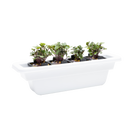
You can grow all of these simultaneously in a system like The Rise Garden 3, a full-size indoor hydroponic garden system designed to support multiple plant pods across stacked tiers — giving you a living herb pantry that never runs out mid-recipe. If your kitchen space is tighter, the Personal Garden is a compact countertop hydroponic garden that handles a rotating selection of herbs beautifully.
Stock your system with the right seed pods to get started — Rise Gardens offers pre-seeded pods for thyme, rosemary, chives, parsley, and many other culinary herbs so you're never starting from scratch.
How to Make Hydroponic Herb Compound Butter Roasted Fingerling Potatoes
This recipe serves 4 as a side dish and takes about 45 minutes from start to finish. The compound butter itself can be made up to 5 days in advance and refrigerated, or frozen for up to 3 months — so consider making a double batch.
Ingredients
For the Herb Compound Butter:
- 8 tablespoons (1 stick) unsalted butter, softened to room temperature
- 2 tablespoons freshly harvested chives, finely chopped
- 1 tablespoon fresh thyme leaves, removed from stems
- 1 tablespoon fresh flat-leaf parsley, finely chopped
- 1 teaspoon fresh rosemary, very finely minced
- 2 cloves garlic, minced or pressed
- 1 teaspoon lemon zest
- ½ teaspoon flaky sea salt
- ¼ teaspoon freshly cracked black pepper
For the Roasted Fingerling Potatoes:
- 1.5 lbs fingerling potatoes, halved lengthwise
- 2 tablespoons olive oil
- 1 teaspoon kosher salt
- ½ teaspoon black pepper
- ½ teaspoon smoked paprika (optional, adds depth)
Instructions
Step 1 — Make the Compound Butter: Combine the softened butter, all chopped herbs, minced garlic, lemon zest, salt, and pepper in a bowl. Use a fork or small spatula to fold and press everything together until thoroughly mixed. Taste and adjust seasoning. Transfer the mixture to a sheet of plastic wrap, roll it into a log shape about 1.5 inches in diameter, twist the ends closed, and refrigerate for at least 30 minutes to firm up.
Step 2 — Prep the Potatoes: Preheat your oven to 425°F (220°C). Toss the halved fingerling potatoes with olive oil, kosher salt, black pepper, and smoked paprika if using. Arrange them cut-side down in a single layer on a rimmed baking sheet. Do not crowd the pan — use two pans if needed. Crowding creates steam, which prevents proper caramelization.
Step 3 — Roast: Roast at 425°F for 25–30 minutes, flipping once halfway through, until the cut sides are deep golden brown and the skins are slightly crisped. An internal temperature of 205–210°F signals fully cooked, fluffy interiors.
Step 4 — Finish with Butter: Pull the potatoes from the oven and immediately transfer them to a large bowl. Slice 3–4 rounds of the chilled compound butter (about 2–3 tablespoons total) directly over the hot potatoes. Toss gently until the butter melts and coats every surface. The residual heat blooms the herb aromatics one final time, layering flavor in a way that melted butter alone never achieves.
Step 5 — Serve: Plate immediately and garnish with a few additional fresh chive snippets snipped directly from your garden for a restaurant-quality finish.
Setting Up Your Indoor Garden for Year-Round Herb Growing
One of the practical frustrations of cooking with fresh herbs is seasonality. Outdoor gardens go dormant. Grocery store supply fluctuates. A hydroponic indoor garden solves this completely by removing weather, season, and geography from the equation entirely.
NASA's Veggie project, which developed hydroponic growing systems for space stations, demonstrated that leafy crops and herbs can be grown in fully controlled indoor environments with no degradation in nutritional quality — a finding that has since accelerated the adoption of controlled-environment agriculture for home use. If it works on the International Space Station, a countertop garden in your kitchen is well within reach.
Hydroponic systems work by maintaining the root zone in a nutrient-rich water solution at the correct pH (typically 5.5–6.5 for most herbs) and EC, or electrical conductivity, which measures how concentrated the nutrient solution is. Rise Gardens systems manage much of this automatically, but understanding these numbers helps you grow confidently. Proper nutrients are what fuel the explosive, flavorful growth that makes herbs worth cooking with in the first place.
For home cooks who want a dedicated, design-forward setup, The Rise Loft is a premium indoor garden with furniture-grade design — it functions as both a productive growing system and a genuinely beautiful piece of home decor, built to live in your dining room or kitchen without apology.
According to a 2022 survey by the National Gardening Association, 35% of American households grew food at home, and herb growing was the single most popular category among indoor gardeners. The demand for fresh herbs at home is real — and hydroponic systems are the most reliable way to meet it year-round.
Can You Customize This Fresh Herb Compound Butter Potato Recipe?
Absolutely — and this is where having a living indoor garden becomes genuinely exciting. The base formula for compound butter is flexible by design. Once you understand the ratio (roughly 1 tablespoon of mixed fresh herbs per 2 tablespoons of butter), you can swap, add, and adjust based on what's thriving in your garden that week.
Here are a few tested variations on this fresh herb compound butter potato recipe:
- Lemon-Tarragon Butter: Replace parsley with fresh tarragon and double the lemon zest. Bright and elegant, this version pairs particularly well with roasted salmon served alongside the potatoes.
- Spicy Herb Butter: Add 1 teaspoon of finely minced fresh Thai basil and a pinch of red pepper flakes for a compound butter with heat and herbal complexity.
- Garlic-Chive Butter: Lean into the allium side by using chives as the dominant herb and roasting the garlic before blending. Roasted garlic compound butter on hot fingerlings is deeply savory and crowd-pleasing.
- Mediterranean Butter: Use fresh oregano, thyme, and a small amount of fresh basil with a pinch of sumac. The flavor profile shifts the dish toward Greek-inspired territory and pairs beautifully with roasted lamb or chicken.
The compound butter also works beyond potatoes — try it melted over grilled corn, tossed with fresh pasta, or spread on sourdough toast. A batch of herb butter made from your indoor garden herbs has a dozen uses, which makes every jar of seed pods an investment in your entire cooking practice, not just one recipe.
Frequently Asked Questions
What herbs grow best in a hydroponic system for cooking?
Chives, basil, parsley, thyme, cilantro, and mint are among the most productive and reliable herbs in hydroponic systems. They have shallow root systems and respond well to the consistent moisture and nutrient delivery that hydroponics provides. Rosemary grows slightly slower but produces robust, flavorful leaves that are well worth the wait.
How long does homemade herb compound butter last?
Wrapped tightly in plastic wrap or stored in an airtight container, fresh herb compound butter keeps in the refrigerator for up to 5 days. For longer storage, freeze the butter log and slice off rounds as needed — it keeps for up to 3 months in the freezer with no significant loss in flavor or texture.
Do hydroponic herbs taste different from soil-grown herbs?
Many cooks and growers report that hydroponic herbs taste more intensely flavored than their soil-grown grocery store counterparts, primarily because they are harvested at peak freshness and grown in optimized nutrient conditions. Research from controlled-environment agriculture studies suggests that some herbs grown hydroponically develop higher concentrations of the essential oils that drive their characteristic flavors and aromas.
What makes fingerling potatoes the best choice for this recipe?
Fingerling potatoes have a naturally waxy, dense flesh with a thin skin that crisps beautifully at high oven temperatures. Their small size creates a high ratio of caramelized cut surface to total potato volume, which means more of that golden, nutty crust in every bite. Their inherently buttery flavor also makes them the ideal canvas for herb compound butter — richer varieties like Yukon Gold fingerlings amplify the dish further.