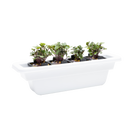
If you have been looking for a satisfying, low-carb pasta alternative that actually delivers on flavor, hydroponic herb compound butter roasted spaghetti squash is your answer. This dish pairs the naturally mild, noodle-like strands of roasted spaghetti squash with a rich, herbaceous compound butter made entirely from herbs you can grow year-round in your own indoor hydroponic garden. Compound butter — a blend of softened butter mixed with fresh herbs, aromatics, and seasonings — melts right into the hot squash strands, coating every bite with brightness and depth. The result is a fresh herb compound butter pasta alternative that feels indulgent without the carb load of traditional pasta.
Why Hydroponic Herbs Make the Best Compound Butter
The secret to an extraordinary compound butter is herb quality, and hydroponically grown herbs consistently outperform store-bought bunches. When herbs are cut and shipped to a grocery store, they begin losing volatile aromatic compounds — the very oils that give basil its sweetness or thyme its earthiness — almost immediately. Studies from the University of California Cooperative Extension found that leafy herbs can lose up to 50% of their volatile flavor compounds within 24 hours of harvest at room temperature.
Hydroponic herbs, by contrast, go from your Personal Garden directly to your cutting board. There is no transit time, no cold chain degradation, and no wondering how long that basil has been sitting in plastic. Hydroponics is a method of growing plants in a nutrient-rich water solution rather than soil, which allows roots to absorb minerals more efficiently and produces faster, more consistent growth. The controlled indoor environment also means you are not at the mercy of seasons — you can harvest fresh chives, parsley, basil, and thyme on any Tuesday in January.
For this hydroponic herb roasted squash recipe, the best herb combination is a classic fines herbes blend: flat-leaf parsley for freshness, chives for mild onion bite, thyme for earthy warmth, and a small amount of tarragon for its subtle anise finish. All four grow beautifully in a countertop hydroponic system and reach harvestable size in roughly three to four weeks from seed.
How Do You Roast Spaghetti Squash for the Best Texture?
Texture is everything with spaghetti squash. Undercook it and the strands are stiff and watery; overcook it and you end up with mush. The goal is tender strands that still hold a slight al dente bite — close to what you would want from a well-cooked pasta.
Here is the method that delivers consistent results every time:
- Preheat your oven to 400°F (204°C). High heat caramelizes the squash's natural sugars and drives off excess moisture.
- Halve the squash lengthwise with a sharp chef's knife. A 3-pound spaghetti squash will yield roughly four generous servings.
- Scoop out the seeds and drizzle the cut surface with 1 tablespoon of olive oil, then season generously with kosher salt and black pepper.
- Place cut-side down on a rimmed baking sheet lined with parchment paper. Roasting cut-side down traps steam against the flesh, cooking it evenly from the inside out.
- Roast for 35 to 45 minutes, depending on the size of your squash. The squash is done when a fork pierces the skin easily and the flesh pulls away in long, distinct strands.
- Rest for five minutes before using a fork to rake the strands loose from the skin.
One medium spaghetti squash (about 3 pounds) contains roughly 42 calories per cup of cooked strands, compared to approximately 220 calories per cup of cooked spaghetti, according to USDA FoodData Central. That makes this indoor garden spaghetti squash recipe one of the most effective ways to enjoy a pasta-style dish while keeping calories in check.
The Hydroponic Herb Compound Butter Recipe
This is where your indoor garden earns its keep. Fresh herbs at their aromatic peak transform a simple compound butter into something you will want to put on everything — roasted vegetables, grilled fish, warm bread, scrambled eggs.
Ingredients for the Herb Compound Butter:
- 8 tablespoons (1 stick) unsalted butter, softened to room temperature
- 2 tablespoons fresh flat-leaf parsley, finely minced
- 1 tablespoon fresh chives, thinly sliced
- 1 teaspoon fresh thyme leaves, stripped from stems
- ½ teaspoon fresh tarragon, finely minced (optional but recommended)
- 1 small garlic clove, minced or pressed
- ½ teaspoon lemon zest
- ¼ teaspoon fine sea salt
- A few cracks of black pepper
Method:
- Place the softened butter in a medium bowl. Add all herbs, garlic, lemon zest, salt, and pepper.
- Use a fork or rubber spatula to mix thoroughly until the herbs are evenly distributed throughout the butter.
- Taste and adjust seasoning. The butter should taste bright, herby, and slightly garlicky — not overwhelmingly salty.
- For immediate use, simply spoon it directly onto the hot squash. For make-ahead use, turn the butter out onto a sheet of plastic wrap, roll it into a log, twist the ends to seal, and refrigerate for up to one week or freeze for up to three months.
To finish the dish: Immediately after raking the spaghetti squash strands, add two to three generous tablespoons of herb compound butter to each squash half. Toss gently so the butter melts and coats every strand. Taste for seasoning and finish with an extra pinch of flaky salt and a squeeze of fresh lemon juice if desired. Serve directly from the squash shell for a dramatic presentation.
What Herbs Grow Best in a Hydroponic Indoor Garden?
Not every herb behaves the same way in a hydroponic system, so knowing which ones thrive will help you plan your herb butter garden intentionally. The good news is that most culinary herbs used in compound butter are among the easiest and fastest-growing plants in hydroponic setups.
Ideal compound butter herbs for indoor hydroponics:
- Parsley: Grows steadily under LED grow lights and reaches a harvestable size in 3 to 4 weeks. Both flat-leaf and curly varieties do well, but flat-leaf carries more flavor intensity.
- Chives: One of the most low-maintenance herbs you can grow. Chives prefer slightly cooler temperatures and can be harvested repeatedly by cutting to about one inch above the growing medium.
- Thyme: A slower grower than basil or parsley but remarkably productive once established. Woody stems develop after 6 to 8 weeks, and the plant will keep producing for months.
- Tarragon: French tarragon (as opposed to Russian tarragon) is the culinary gold standard. It prefers moderate temperatures and indirect light intensity, making it well-suited to indoor growing.
- Basil: A fast-growing powerhouse in hydroponics. While not traditional in fines herbes, a lemon basil variety makes a wonderful addition to this compound butter if you want a summery twist.
NASA research on the Veggie project — the space agency's ongoing program to grow fresh food aboard the International Space Station — demonstrated that leafy greens and herbs grown hydroponically under LED lighting can produce yields comparable to soil-grown counterparts in controlled environments. That research has directly informed the design of consumer indoor growing systems, including the LED light spectrum used in modern home gardens.
If you want the capacity to grow enough herbs for compound butter, regular cooking, and still have a continuous harvest cycle, the The Rise Garden 3 offers a full three-tier growing system with space for dozens of plants simultaneously. For smaller households or those just starting out, a Personal Garden on your kitchen counter gives you room for six to eight herb pods — plenty for weekly compound butter batches.
How to Build Your Herb Garden for Year-Round Cooking
The real advantage of an indoor hydroponic herb garden is not just having fresh herbs — it is having them on a predictable, continuous schedule. The key is staggered planting, which means starting a new set of seed pods every two to three weeks so you always have plants at different stages of maturity. When one round of chives is ready to harvest, the next round is already two weeks into growth.
Beyond staggered planting, maintaining proper nutrient levels in your water reservoir is critical for herb flavor and yield. Hydroponics relies on a balanced solution of macro and micronutrients dissolved in water — including nitrogen, phosphorus, potassium, calcium, and magnesium — rather than extracting those elements from soil. The electrical conductivity (EC) of your nutrient solution measures how concentrated those dissolved minerals are, and most culinary herbs perform best at an EC between 1.6 and 2.2 mS/cm. Proper pH — the measure of acidity or alkalinity in your water — should stay between 5.5 and 6.5 for optimal nutrient uptake in herbs. Rise Gardens nutrients are pre-formulated to hit these targets, removing the guesswork for home growers.
According to the Association for Vertical Farming, the global indoor farming market was valued at approximately $4.25 billion in 2023 and is projected to grow at a compound annual growth rate of 9.7% through 2028 — a clear signal that more home cooks are recognizing the value of growing their own produce year-round.
For households that want a beautiful, furniture-grade system that fits seamlessly into a living space or open kitchen, The Rise Loft combines premium cabinetry design with a full hydroponic growing system, making it as much a piece of home décor as a food production system.
Serving Ideas and Variations for Hydroponic Herb Roasted Squash
Once you have the base recipe mastered, this dish adapts easily to different flavor profiles and dietary preferences.
- Add protein: Top with sautéed shrimp, shredded rotisserie chicken, or a soft-poached egg for a complete meal.
- Make it dairy-free: Substitute high-quality vegan butter (one made with coconut oil or avocado oil tends to hold the best texture) and follow the same herb blending method.
- Add heat: A pinch of red chili flakes in the compound butter adds a subtle background warmth that complements the squash's natural sweetness.
- Cheese finish: A light dusting of finely grated Parmigiano-Reggiano or Pecorino Romano over the finished dish bridges the gap between pasta alternative and full pasta experience.
- Lemon-caper variation: Add one teaspoon of rinsed capers and an extra half teaspoon of lemon zest to the compound butter for a piccata-inspired version.
This fresh herb compound butter pasta alternative is also a reliable recipe for entertaining. Both squash halves can be roasted and the compound butter prepared up to two days in advance. When guests arrive, all you need is five minutes to reheat the squash in a 350°F oven for ten minutes, add the butter, and serve.
Frequently Asked Questions
Can I grow spaghetti squash in a hydroponic indoor garden?
Spaghetti squash vines require significantly more space than most hydroponic herb or leafy green systems are designed for, so growing the squash itself indoors is not practical with standard countertop units. However, the herbs used in the compound butter — parsley, chives, thyme, tarragon — all grow exceptionally well in indoor hydroponic systems like the Personal Garden or The Rise Garden 3. Source your spaghetti squash from a farmers market or grocery store and let your indoor garden handle the herbs.
How long does herb compound butter last in the refrigerator?
Herb compound butter keeps well in the refrigerator for up to seven days when wrapped tightly in plastic wrap or stored in an airtight container. For longer storage, freeze the butter log and slice off portions as needed — it will maintain its quality for up to three months in the freezer. Labeling the log with the herb blend and date helps you keep track of what you have on hand.
What is the difference between hydroponics and soil growing for herbs?
Hydroponics delivers nutrients directly to plant roots via a water solution, eliminating the need for soil and allowing plants to direct more energy toward leaf and stem growth rather than root expansion. This typically results in 30 to 50% faster growth rates compared to soil for many culinary herbs, according to multiple university extension studies. The controlled environment also reduces pest pressure and eliminates soil-borne diseases, which are common challenges in outdoor herb gardens.
What does EC and pH mean in hydroponic herb growing?
EC stands for electrical conductivity, which measures the concentration of dissolved nutrients in your water reservoir — a higher EC means more minerals in solution. pH measures acidity or alkalinity on a scale of 0 to 14, with 7 being neutral. For culinary herbs in hydroponics, target an EC between 1.6 and 2.2 mS/cm and a pH between 5.5 and 6.5 to ensure roots can absorb nutrients efficiently. Rise Gardens nutrients are designed to work within these parameters right out of the bottle.