A hydroponic herb tabbouleh grain bowl recipe is exactly what it sounds like: a modern, nutrient-packed twist on the classic Middle Eastern tabbouleh, built into a hearty grain bowl format and loaded with fresh herbs you grew yourself in a hydroponic indoor garden. Traditional tabbouleh is dominated by flat-leaf parsley, mint, lemon, and olive oil — and when those herbs come straight from your countertop or floor-standing hydroponic system, the flavor difference is immediate and unmistakable. This guide walks you through growing the right herbs hydroponically, assembling the bowl, and understanding exactly why homegrown herbs taste so much better than anything in a plastic clamshell at the grocery store. Unlike a basic tabbouleh salad, this format builds the dish into a complete, protein-forward grain bowl — a meaningfully different approach in both nutrition and presentation.
Why Grow Your Tabbouleh Herbs Hydroponically?
Hydroponics is a method of growing plants in a nutrient-rich water solution rather than soil. The roots receive water, oxygen, and a precisely balanced mix of macro and micronutrients directly, which means plants can focus their energy on leaf and stem development rather than searching for nutrients through soil. The result is faster growth, more consistent flavor, and year-round availability — regardless of whether it's January in Chicago or August in Phoenix.
According to research supported by the USDA Agricultural Research Service, hydroponically grown herbs can contain significantly higher concentrations of essential oils — the compounds responsible for aroma and flavor — compared to field-grown counterparts under certain controlled conditions. That translates directly into a more aromatic, more flavorful parsley and mint for your tabbouleh bowl.
There's also a practical argument: a bunch of fresh parsley at the grocery store averages $1.50–$2.50 and wilts within a week. With a hydroponic indoor garden, you harvest exactly what you need, exactly when you need it, and the plant keeps producing. A single parsley plant grown in a hydroponic system can yield harvestable leaves in as few as 3–4 weeks from transplant and continue producing for several months with consistent nutrient and light management.
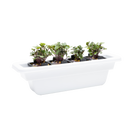
If you're just starting out, the Personal Garden is a compact countertop hydroponic garden that fits neatly on a kitchen counter and can grow up to 9 plants at once — more than enough parsley, mint, and cilantro to keep your grain bowls stocked all season.
Which Herbs Work Best in This Hydroponic Herb Tabbouleh Grain Bowl Recipe?
Tabbouleh's backbone is flat-leaf (Italian) parsley and fresh mint, but a well-built indoor garden grain bowl can layer in several more hydroponic herbs to add complexity. Here's a breakdown of what to grow and why each one earns its spot in the bowl:
- Flat-Leaf Parsley: The non-negotiable. Rich in vitamin K and vitamin C, parsley is the dominant herb in authentic tabbouleh — the ratio is closer to a parsley salad than a grain dish. Hydroponically, parsley thrives at a pH of 6.0–7.0 and an electrical conductivity (EC) of 0.8–1.8 mS/cm.
- Spearmint: Adds brightness and a cooling note. Mint grows aggressively in hydroponic systems — harvest regularly to prevent it from overshadowing neighboring plants. Ideal pH: 6.0–7.0.
- Cilantro: Optional but excellent for a more complex, modern bowl. Bolts quickly in warm conditions, so keep your garden temperature below 75°F for longer harvests.
- Chives: A mild, onion-forward garnish that pairs beautifully with the lemon dressing. One of the easiest herbs to grow hydroponically, with harvest-ready growth in as little as 30 days.
- Basil: Not traditional in tabbouleh, but adds a sweet, peppery note that works well in a Buddha bowl format. Basil loves light — aim for 14–16 hours of LED grow light per day.
Rise Gardens seed pods are pre-seeded and ready to drop directly into your garden system, making it straightforward to start multiple herb varieties at once without measuring or mess.
How to Build Your Hydroponic Herb Tabbouleh Grain Bowl Recipe Step by Step
This recipe serves 2 and comes together in about 30 minutes once your herbs are ready to harvest. The base uses quinoa — a complete protein with all nine essential amino acids — which transforms the dish into a satisfying, protein-forward meal. This is the hydroponic herbs quinoa bowl format at its best: simple, whole-food ingredients elevated by the quality of what you grew yourself.
Ingredients
For the bowl base:
- 1 cup dry white or tri-color quinoa (yields approximately 3 cups cooked)
- 2 cups water or low-sodium vegetable broth
- 1 can (15 oz) chickpeas, drained and rinsed
- 1 English cucumber, diced small
- 2 medium Roma tomatoes, seeded and diced
- ½ small red onion, finely minced
Fresh from your hydroponic garden:
- 2 cups flat-leaf parsley, finely chopped (stems removed)
- ¼ cup fresh spearmint leaves, finely chopped
- 2 tablespoons fresh chives, thinly sliced
For the lemon-herb dressing:
- 3 tablespoons fresh lemon juice (about 1 large lemon)
- 3 tablespoons extra virgin olive oil
- 1 small garlic clove, minced
- ½ teaspoon kosher salt
- ¼ teaspoon freshly ground black pepper
- Pinch of allspice (traditional Lebanese addition)
Optional toppings for a homegrown herb buddha bowl presentation:
- Sliced avocado
- Crumbled feta cheese
- Toasted pine nuts or pepitas
- Lemon zest to finish
Instructions
- Cook the quinoa: Rinse quinoa thoroughly in a fine mesh strainer. Combine with water or broth in a medium saucepan and bring to a boil. Reduce heat to low, cover, and simmer for 15 minutes until liquid is absorbed. Remove from heat and let sit covered for 5 minutes, then fluff with a fork. Spread on a sheet pan to cool slightly.
- Prep the tabbouleh layer: While the quinoa cooks, combine parsley, mint, chives, cucumber, tomatoes, and red onion in a large mixing bowl.
- Make the dressing: Whisk together lemon juice, olive oil, garlic, salt, pepper, and allspice in a small bowl until emulsified.
- Season the chickpeas: Toss drained chickpeas with 1 tablespoon of the dressing, a pinch of salt, and a pinch of smoked paprika if desired.
- Combine: Add the warm (not hot) quinoa to the herb and vegetable mixture. Pour over the remaining dressing and toss well. Taste and adjust salt and lemon.
- Assemble: Divide into two bowls. Top with seasoned chickpeas, avocado slices, crumbled feta, and toasted pine nuts. Finish with a few whole parsley leaves and a pinch of lemon zest for brightness.
Nutrition snapshot (per serving, approximate): 520 calories, 22g protein, 65g carbohydrates, 18g fat, 11g fiber. Values will vary based on optional toppings.
How Growing Herbs Hydroponically Affects Flavor and Nutrition
This is one of the most common questions from new hydroponic gardeners, and the answer is backed by solid research. The NASA Veggie Project, which has been growing leafy greens and herbs aboard the International Space Station since 2014, demonstrated that hydroponically grown plants in controlled-light environments can produce crops that are both safe and nutritionally comparable — and in some cases superior in specific compounds — to their soil-grown counterparts. NASA's research has helped establish best practices for LED grow light spectrums and nutrient solution management that home hydroponic systems now benefit from directly.
A key factor is the electrical conductivity (EC) of your nutrient solution. EC measures the concentration of dissolved nutrients in the water. For herbs like parsley and mint, an EC in the range of 1.0–1.6 mS/cm tends to produce the best balance of fast growth and concentrated flavor. Push the EC too high and you stress the plant; too low and growth slows and flavor becomes muted. Rise Gardens nutrients are formulated specifically for leafy herbs and greens, taking the guesswork out of managing your solution strength.
On the nutrition side, a 2019 study published in the Journal of the Science of Food and Agriculture found that hydroponic basil contained up to 20% more phenolic compounds — a class of antioxidants — than soil-grown basil under the same light conditions. While herb-specific data varies by species, the pattern holds: controlled growing environments with optimized nutrients and consistent lighting tend to produce more phytochemically dense plants.
For growers who want to scale up herb production — think enough parsley for weekly grain bowls plus fresh herbs for pasta, soups, and cocktails — The Rise Garden 3 is a full-size indoor hydroponic garden system with three growing levels, capable of supporting 36 plants simultaneously. That's a serious herb garden by any measure.
Tips for Harvesting Herbs for Maximum Yield
How you harvest is just as important as how you grow. Incorrect harvesting is the fastest way to slow down a productive herb plant or kill it outright. Follow these practices to keep your indoor garden grain bowl supply chain steady:
- Cut, don't pull: Always use clean scissors or herb snips. Tearing damages the stem and creates entry points for disease.
- Take from the top down: For parsley and basil, harvest the outermost, most mature stems first. This encourages new growth from the center.
- Never remove more than one-third of the plant at a time: This is the standard horticultural guideline that applies equally to hydroponic and soil-grown herbs. Removing too much at once stresses the plant and dramatically slows regrowth.
- Harvest mint before it flowers: Once mint bolts, the leaves become bitter. Pinch off any flower buds as soon as you see them to extend the productive life of the plant.
- Morning harvest is ideal: Essential oil concentration in herb leaves tends to be highest in the morning hours before the lights have been on for several hours and before heat causes volatile compounds to dissipate.
For those who want the aesthetic of a garden that doubles as home décor, The Rise Loft is a premium indoor garden with furniture-grade design, built to sit in a living or dining room without looking like a grow tent. It holds up to 12 plants and is a beautiful way to keep fresh ingredients close to where you actually cook.
Frequently Asked Questions
How long does it take to grow enough parsley for this tabbouleh recipe hydroponically?
In a hydroponic system with a full-spectrum LED grow light running 14–16 hours per day, flat-leaf parsley typically reaches first harvest in 3–4 weeks from transplanting a seedling pod. For a recipe like this that uses 2 full cups of chopped parsley, you'll want 2–3 mature plants. Starting 3 parsley seed pods simultaneously ensures you have enough volume for a full tabbouleh bowl and leaves enough plant to continue producing for subsequent weeks.
Can I substitute bulgur wheat for quinoa in this grain bowl?
Absolutely — traditional tabbouleh actually uses fine bulgur wheat, not quinoa, so using bulgur is the more historically authentic choice. Bulgur wheat is a whole grain made from cracked, parboiled wheat berries and cooks in about 10–15 minutes. Quinoa is used here because it's gluten-free and provides a complete protein profile, making the bowl more nutritionally comprehensive. Use whichever grain suits your dietary needs; the herb-to-grain ratio and dressing remain the same either way.
What pH level should I maintain for growing mint and parsley together in the same hydroponic system?
Both mint and parsley thrive in a pH range of 6.0–7.0, with 6.0–6.5 often cited as the sweet spot for maximum nutrient uptake in most hydroponic systems. Because they share nearly identical pH and EC preferences, mint and parsley are excellent companion plants in the same reservoir system. Check your pH every 2–3 days using a calibrated digital pH meter and adjust with pH-up or pH-down solution as needed to keep it within range.
How does a homegrown herb buddha bowl differ from a standard grain bowl?
The term "buddha bowl" typically refers to a well-rounded, visually balanced bowl that is roughly half-filled — like a buddha's rounded belly — with a combination of whole grains, plant-based proteins, raw or roasted vegetables, and a flavorful sauce or dressing. A homegrown herb buddha bowl simply means that fresh herbs, rather than being a minor garnish, are a primary ingredient sourced directly from your own indoor garden. In a tabbouleh-style version, the herbs are so abundant they functionally become part of the salad base, not just a finishing touch.