There are recipes that impress, and then there are recipes that make people ask, "Wait — you grew those herbs yourself?" Hydroponic herb compound butter roasted lamb chops land firmly in the second category. This dish pairs thick, seared lamb chops with a silky compound butter packed with herbs harvested fresh from your indoor hydroponic garden — a technique that transforms a restaurant-quality entrée into something you can confidently plate on a Tuesday night. Compound butter is simply softened butter blended with aromatics (herbs, garlic, citrus zest) and chilled into a log, then sliced over hot lamb to melt into a glossy, flavor-packed sauce. When those herbs come straight from a living hydroponic system rather than a grocery store clamshell, the flavor difference is immediate and unmistakable.
Why Homegrown Hydroponic Herbs Make the Best Compound Butter
Flavor starts with chemistry. The essential oils and volatile aromatic compounds in fresh herbs — the molecules responsible for the piney punch of rosemary or the peppery bite of thyme — begin degrading the moment a plant is cut. Research from the University of California Cooperative Extension found that fresh-cut herbs can lose up to 40% of their volatile aromatic compounds within 24 hours of harvest at room temperature. Store-bought herbs travel an average of 1,500 miles from farm to grocery shelf, according to the USDA's Agricultural Marketing Service, meaning much of that aromatic potency is already gone before you ever open the package.
Hydroponic herbs grown indoors solve this problem entirely. When you snip rosemary from a The Rise Garden 3 thirty minutes before cooking, you're capturing those volatile oils at their absolute peak. Hydroponics — the method of growing plants in a nutrient-rich water solution rather than soil — also allows precise control over pH (ideally 5.5–6.5 for most herbs) and EC (electrical conductivity, a measure of nutrient concentration), which directly influences plant health and flavor density. The result is herbs with noticeably brighter color, more intense aroma, and better texture for both cooking and eating raw.
For this indoor garden lamb chops recipe, you'll want to grow at least three herbs in rotation: rosemary, thyme, and flat-leaf parsley. All three thrive in hydroponic systems, germinate reliably from seed pods, and reach harvestable size in as little as three to four weeks under proper grow-light conditions.
Which Herbs Grow Best Indoors for a Fresh Herb Crusted Lamb Chops Recipe?
Not every herb behaves the same way in an indoor hydroponic environment, and for a fresh herb crusted lamb chops preparation, you want herbs that are both culinary powerhouses and reliable indoor growers. Here are the top performers:
- Rosemary: The cornerstone herb for lamb. Its resinous, camphor-forward oils stand up beautifully to high heat. Rosemary prefers slightly lower humidity and good airflow — manageable in any indoor setup.
- Thyme: Earthy, slightly floral, and incredibly versatile. Thyme grows compactly and produces harvestable sprigs continuously, making it one of the most practical herbs for indoor growing.
- Flat-Leaf Parsley: Adds a clean, grassy brightness to compound butter that balances richer flavors. It grows vigorously in hydroponics and can be harvested multiple times per plant.
- Chives: Mild onion flavor that softens in butter and adds a delicate finishing note. Chives regrow quickly after cutting — one of the most rewarding herbs for beginners.
- Mint: Optional but worth trying in a variation of this compound butter with a North African-inspired profile (think harissa-spiced lamb). Mint grows rapidly and benefits from periodic trimming to prevent overgrowth.
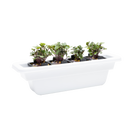
If you're working with limited counter space, the compact Personal Garden can support three to four herb varieties simultaneously — more than enough to keep this recipe stocked year-round. For a larger household or if you cook herb-heavy dishes regularly, The Rise Loft offers a furniture-grade design with expanded growing capacity that fits elegantly in a living room or dining area, putting your garden on display as much as your cooking.
The Complete Hydroponic Herb Compound Butter Roasted Lamb Chops Recipe
This recipe serves four people and uses a two-stage cooking method: a hard pan sear followed by a brief oven finish. The compound butter is made ahead and chilled, then placed on the lamb immediately after it comes out of the oven so it melts into a glossy, aromatic sauce.
For the Compound Butter
- 8 tablespoons (1 stick) unsalted butter, softened to room temperature
- 1½ tablespoons fresh rosemary, finely minced (from your indoor garden)
- 1 tablespoon fresh thyme leaves, stripped from stems
- 2 tablespoons flat-leaf parsley, finely chopped
- 1 tablespoon fresh chives, minced
- 3 garlic cloves, grated on a microplane
- 1 teaspoon lemon zest
- ½ teaspoon flaky sea salt
- ¼ teaspoon cracked black pepper
For the Lamb Chops
- 8 bone-in lamb loin chops or rib chops (approximately 1¼ inches thick)
- 2 tablespoons neutral oil (grapeseed or avocado)
- Kosher salt and black pepper
- 4 additional sprigs of fresh rosemary and thyme for the pan
Method
- Make the compound butter: Combine softened butter with all herb ingredients in a bowl. Mix thoroughly. Lay a sheet of plastic wrap flat on your counter, spoon the butter mixture into a rough log shape along the center, then roll and twist the ends to form a tight cylinder about 1.5 inches in diameter. Refrigerate for at least 2 hours or freeze for 30 minutes.
- Prep the lamb: Remove chops from refrigerator 45 minutes before cooking. Pat completely dry with paper towels — surface moisture is the enemy of a proper sear. Season generously on both sides with kosher salt and black pepper.
- Sear: Preheat oven to 400°F. Heat a cast iron or heavy stainless skillet over high heat until smoking. Add oil, then sear lamb chops 2–3 minutes per side until a deep mahogany crust forms. Add the fresh herb sprigs to the pan during the final minute of searing, basting the chops with the herb-infused fat.
- Finish in the oven: Transfer the skillet directly to the oven for 4–6 minutes for medium-rare (internal temperature of 130–135°F on an instant-read thermometer). Pull the lamb and immediately place a ½-inch slice of compound butter on each chop.
- Rest: Allow chops to rest on a wire rack for 5 minutes before plating. The butter will melt into a pool of herb-flecked sauce perfect for spooning over the top.
What Are the Best Indoor Garden Tips for Growing Herbs for This Recipe?
Growing herbs hydroponically is straightforward once you understand a few key variables. These specific practices will keep your herb supply consistent and flavorful for homegrown herb roasted lamb chops and beyond.
Light: Herbs need between 14–16 hours of light per day in an indoor environment without natural sunlight supplementation. Rise Gardens systems use full-spectrum LED grow lights calibrated for this range, which is why herbs grown in them develop dense foliage and strong aromatic profiles rather than the leggy, pale growth you see when plants are light-starved.
Nutrients: Hydroponic herbs draw all their minerals directly from the water solution. Using a properly balanced nutrient formula is non-negotiable for robust growth and maximum flavor. Rise Gardens nutrients are formulated specifically for the plant types in each growth stage, removing the guesswork around nitrogen-phosphorus-potassium ratios.
pH Management: Keep your reservoir pH between 5.8 and 6.2 for most culinary herbs. Outside this range, plants struggle to absorb minerals even when nutrients are present — a condition called nutrient lockout. Test pH every two to three days and adjust with the appropriate up or down solution.
Harvesting: Always harvest herbs in the morning before the plant has been under light for several hours — essential oil concentration peaks overnight and into the early morning. Cut no more than one-third of any plant at a single harvest to ensure continuous regrowth. For rosemary specifically, cut just above a node (a branching point) to encourage bushier, more productive growth.
NASA's Veggie Project, which has studied plant growth in controlled environments since 2014, confirmed that lettuce and herbs grown in closed-loop controlled systems with optimized lighting and nutrient delivery show comparable or superior nutritional density to field-grown counterparts — a finding that supports the long-held observation among indoor growers that hydroponic herbs simply taste more vibrant.
Flavor Variations and Seasonal Pairings for Your Compound Butter
Once you've mastered the base recipe, the compound butter becomes a canvas. Your indoor garden gives you flexibility that seasonal outdoor growing doesn't, so you can experiment with different flavor profiles year-round:
- Mediterranean Profile: Swap chives for fresh oregano and add a teaspoon of smashed capers. Works beautifully with a side of roasted cherry tomatoes.
- North African Profile: Add a tablespoon of fresh mint, a half-teaspoon of cumin, and a pinch of cayenne. Pair with couscous and a yogurt-cucumber sauce.
- Classic French Profile: Use tarragon in place of rosemary, keep thyme and parsley, and add a teaspoon of Dijon mustard to the butter blend. Elegant with haricots verts and potato gratin.
- Bold Garlic-Herb: Double the garlic, add a tablespoon of fresh basil, and finish with a small amount of anchovy paste blended into the butter. Rich, deeply savory, and unexpectedly crowd-pleasing.
All of these variations use herbs that grow productively in indoor hydroponic gardens, meaning your ability to execute any of them is only limited by how many pods you have running at once. Growing a diverse selection of herbs simultaneously is one of the most practical reasons to invest in a larger system — having rosemary, thyme, parsley, oregano, mint, and basil all available fresh on the same evening is genuinely transformative for everyday cooking.
FAQ: Hydroponic Herbs and Roasted Lamb Chops
Can I use hydroponic herbs that have been stored in the refrigerator, or do they need to be freshly cut?
Freshly cut herbs deliver the best flavor for compound butter, but hydroponically grown herbs stored correctly in the refrigerator — wrapped in a slightly damp paper towel inside an airtight container — retain their aromatic oils well for up to five days. If you cut your herbs the day before making the butter, they'll still outperform most store-bought options. For the lamb chops themselves, always use the freshest herbs possible for the pan sear garnish.
What internal temperature should lamb chops reach for food safety and optimal flavor?
The USDA recommends cooking whole muscle lamb cuts like chops to a minimum internal temperature of 145°F with a three-minute rest, which produces a medium to medium-well result. Most culinary professionals and serious home cooks prefer lamb chops at 130–135°F (medium-rare), pulling them from the oven slightly below this and allowing carryover cooking during the rest period to bring them to temperature. At this range, the meat is rosy, tender, and lets the herb compound butter flavors remain prominent rather than being overwhelmed by well-done lamb's stronger gamey notes.
How long does it take to grow enough rosemary and thyme for this recipe in a hydroponic garden?
Rosemary and thyme are moderately fast germinators in hydroponic conditions. You can expect rosemary to reach its first harvestable size in approximately four to six weeks from seed germination, while thyme is typically ready in three to five weeks. Parsley and chives germinate and mature slightly faster. Once established, all four herbs are cut-and-come-again plants, meaning a single set of pods can supply multiple rounds of this recipe before needing replacement.
Is there a difference in herb flavor between soil-grown and hydroponically grown plants?
The flavor difference is measurable, not just anecdotal. Hydroponic growing allows growers to optimize nutrient delivery and light exposure in ways that outdoor or container soil growing cannot match with the same consistency. Studies on basil — one of the most researched culinary herbs in controlled-environment agriculture — have shown that hydroponically grown plants can contain higher concentrations of key volatile aroma compounds under optimized conditions compared to soil-grown equivalents. The precision of a well-managed indoor system, combined with harvesting herbs at peak ripeness moments before cooking, produces noticeably brighter, more complex flavors in the finished dish.