A hydroponic herb compound butter roasted rack of ribs is exactly what it sounds like — a show-stopping rack of ribs slathered in a rich, herb-packed compound butter made entirely from herbs you grew yourself indoors, then slow-roasted until the meat pulls cleanly from the bone. Compound butter is simply softened butter blended with aromatics, herbs, salt, and other seasonings, then chilled and sliced or spread onto proteins before cooking. When you make that butter with freshly harvested rosemary, thyme, and chives from your own hydroponic garden, the flavor difference is immediate and undeniable. This recipe bridges the gap between the art of barbecue and the satisfaction of growing your own food at home — no outdoor space, no soil, and no waiting on a grocery run required.
Why Fresh Herbs From Your Indoor Garden Make Better Ribs
There is a measurable reason that fresh herbs outperform dried ones in recipes like this. Aromatic compounds in herbs — including terpenes, linalool, and carvacrol — degrade significantly once the plant is cut and dried. A 2019 study from the University of Florida's Institute of Food and Agricultural Sciences found that fresh herbs contain up to 85% more volatile aromatic compounds than their dried, commercially packaged counterparts. Those aromatics are exactly what infuse your compound butter with the kind of bold, grassy, floral depth that makes people ask for the recipe.
Hydroponic herbs take that freshness even further. Because hydroponic plants grow in a nutrient-rich water solution rather than soil, their roots access water and minerals with far less energy expenditure. That energy goes back into leaf and flavor compound production instead. NASA's Veggie project, which has studied plant growth in controlled environments since 2014, confirmed that controlled-environment agriculture produces consistent, high-quality yields with significantly reduced resource use — a model that indoor hydroponic gardens like the The Rise Garden 3 bring directly into your home kitchen.
When you harvest rosemary minutes before building your compound butter, you are working with the full aromatic profile of the plant. That is something no grocery store shelf herb can replicate.
The Best Herbs to Grow for an Indoor Garden Herb Rub for Ribs
Building a great indoor garden herb rub for ribs starts with choosing the right plants. Not every herb is equally suited to rib cookery, and not every herb performs equally well in a hydroponic system. Here are the top performers for this recipe, all of which thrive in a Rise Gardens system:
- Rosemary: Piney, resinous, and deeply savory. Rosemary is the backbone of any serious herb compound butter for pork. It holds up beautifully under long roasting times without turning bitter.
- Thyme: Earthy and slightly floral, thyme pairs naturally with pork fat. It is one of the fastest-growing herbs in a hydroponic setup, often ready for first harvest in as little as 3 to 4 weeks from germination.
- Flat-leaf parsley: Adds brightness and a slightly peppery freshness that balances the richness of the butter and the fat of the ribs.
- Chives: Mild allium flavor that blends seamlessly into compound butter without overpowering the other herbs.
- Oregano: Adds a subtle Mediterranean warmth that bridges the herb profile toward something that works equally well with a smoky rub or a simple salt-and-pepper base.
All five of these herbs are available as seed pods for Rise Gardens systems, making it easy to plan a dedicated rib-night herb garden with staggered plantings so you always have a harvest-ready supply.
How Do You Make Hydroponic Herb Compound Butter for Ribs?
Compound butter is one of the most accessible techniques in professional cooking, and it scales beautifully for home use. Here is the full method for making a herb compound butter using your homegrown hydroponic herbs, followed by the complete roasted rack of ribs recipe.
Herb Compound Butter
Makes enough for 2 full racks of baby back ribs
- 2 sticks (1 cup / 227g) unsalted butter, room temperature
- 2 tablespoons fresh rosemary, finely minced
- 2 tablespoons fresh thyme leaves, stripped and roughly chopped
- 2 tablespoons fresh flat-leaf parsley, finely chopped
- 1 tablespoon fresh chives, thinly sliced
- 1 tablespoon fresh oregano, finely minced
- 4 cloves garlic, microplane-grated
- 1.5 teaspoons kosher salt
- 1 teaspoon cracked black pepper
- 1 teaspoon smoked paprika
- Zest of one lemon
Using a fork or a stand mixer on low, blend all ingredients into the softened butter until fully incorporated and evenly green-flecked. Turn the butter out onto a sheet of plastic wrap, roll into a log shape approximately 1.5 inches in diameter, twist the ends tight, and refrigerate for at least 2 hours or up to 5 days. The butter can also be frozen for up to 3 months.
Roasted Rack of Ribs
Serves 4 to 6
- 2 racks baby back pork ribs (approximately 2 to 2.5 lbs each)
- 1 full log of herb compound butter (recipe above)
- 2 tablespoons brown sugar
- 1 tablespoon kosher salt
- 1 tablespoon garlic powder
- 1 teaspoon cayenne
- Apple cider vinegar in a spray bottle (for moisture during roasting)
Instructions:
- Preheat your oven to 275°F. Remove the silverskin membrane from the back of each rack by sliding a butter knife under the membrane at one end, gripping it with a paper towel, and pulling it away in one clean strip.
- Combine the brown sugar, salt, garlic powder, and cayenne into a dry rub. Pat both racks dry with paper towels, then apply the dry rub evenly across all surfaces. Let the ribs sit uncovered at room temperature for 30 minutes.
- Slice 6 to 8 rounds of the chilled compound butter, approximately ¼ inch thick each. Place 3 to 4 rounds on a large sheet of heavy-duty foil, lay one rack meat-side down on top of the butter, then place 3 to 4 more rounds on the back of the rack. Wrap the foil tightly around the rack, crimping the edges to seal. Repeat for the second rack.
- Place the foil-wrapped racks on a rimmed baking sheet and roast at 275°F for 2.5 to 3 hours. The low, slow heat melts the compound butter into and around the meat while the steam inside the foil packet keeps the ribs tender and moist.
- Remove the racks from the foil, reserving the liquid butter drippings. Turn the oven to broil (or transfer to a grill over medium-high heat). Brush the exposed meat with the reserved herb butter drippings and broil or grill for 5 to 7 minutes until the surface is caramelized and lightly charred at the edges.
- Rest the ribs for 10 minutes before cutting. Serve with any remaining compound butter melted over the top.
Can You Use Hydroponic Herbs for a Fresh Herb BBQ Ribs Recipe?
Absolutely — and in many ways, hydroponic herbs are better suited to a fresh herb BBQ ribs recipe than field-grown herbs. Here is why: hydroponic plants grow in a precisely controlled environment where pH, nutrient concentration, light duration, and humidity are all dialed in. The pH of a well-maintained hydroponic system typically runs between 5.5 and 6.5, which is the optimal range for most culinary herbs to absorb the full spectrum of macro and micronutrients. When a plant's nutrient uptake is optimized, leaf density and aromatic oil content increase — which translates directly to more flavor per tablespoon of minced herb.
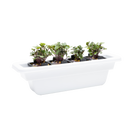
According to USDA data, Americans consumed approximately 4.1 billion pounds of pork ribs in 2022 alone, making ribs one of the most popular backyard and home cooking proteins in the country. With that level of enthusiasm for rib cookery, the case for leveling up with homegrown herbs is easy to make. The Personal Garden is a compact countertop hydroponic system that fits neatly on a kitchen counter and can maintain a continuous rotation of rosemary, thyme, parsley, and chives — giving you fresh herb access year-round, regardless of season or climate.
If you cook ribs regularly and want a dedicated herb supply at scale, the The Rise Loft offers a premium indoor garden with furniture-grade design that integrates beautifully into a kitchen or dining room while supporting a larger, more diverse herb and vegetable garden — enough to supply compound butter batches for the whole grilling season.
Tips for Growing Homegrown Herb Smoked Ribs Herbs Year-Round
One of the most common frustrations for home cooks who want to make homegrown herb smoked ribs a regular part of their routine is inconsistency — herbs that bolt in summer, die back in winter, or just never seem to be ready at the right moment. Hydroponic indoor gardening solves that problem by removing seasonal variables from the equation entirely.
Here are practical growing tips to keep your rib-ready herbs thriving all year:
- Stagger your plantings by 2 to 3 weeks. If you plant all your rosemary at once, you will have a glut followed by a gap. Offset germination dates so you always have a plant in each stage of maturity.
- Harvest frequently. Regular harvesting — taking no more than one-third of the plant at a time — stimulates bushier, more productive growth. A thyme plant that is harvested every 10 to 14 days will produce more usable herb than one that is left to grow unpruned.
- Monitor your nutrients. Hydroponic plants depend entirely on the nutrients dissolved in their water solution. Using a calibrated EC (electrical conductivity) meter to monitor nutrient concentration ensures your herbs are receiving the right balance of nitrogen, phosphorus, and potassium for leaf-dense, flavor-rich growth. Rise Gardens' nutrients are formulated specifically for the pH and EC ranges that culinary herbs prefer.
- Keep your light schedule consistent. Most culinary herbs thrive on 14 to 16 hours of light per day in a hydroponic setup. Rise Gardens systems include full-spectrum LED grow lights on automated timers that take the guesswork out of this entirely.
- Harvest in the morning. Aromatic oil concentration in herb leaves peaks in the early morning hours before heat causes volatilization. Harvesting at this time and using the herbs within an hour or two gives you the most flavorful compound butter possible.
How to Pair Your Herb Compound Butter Ribs With Sides From Your Garden
A rack of ribs built on homegrown herbs deserves sides that match that intention. The good news is that the same Rise Gardens systems supporting your herb rotation can also grow a range of vegetables and lettuces that pair naturally with this dish.
Consider growing a peppery arugula to toss into a simple lemon-dressed salad alongside the ribs — the bitterness of arugula cuts through the richness of the compound butter beautifully. Kale or chard can be quickly sautéed in the reserved herb butter drippings from the foil packets for a side that uses every drop of the flavor you built. Cherry tomatoes, which grow well in larger hydroponic systems, can be halved and tossed warm with fresh parsley and chives for a bright, acidic contrast to the fatty richness of the pork.
Research from Purdue University's Department of Horticulture found that people who grow their own food consume 1.4 times more fruits and vegetables than those who do not — a finding that suggests the act of growing food directly increases the enjoyment and frequency of cooking with fresh produce. When your herb garden is sitting on your countertop, the barrier between garden and kitchen disappears entirely.
Frequently Asked Questions
Can I use hydroponic herbs the same way I use store-bought herbs in a compound butter recipe?
Yes — hydroponic herbs are used exactly the same way as conventionally grown herbs in any recipe. The key practical difference is that homegrown hydroponic herbs are harvested at peak freshness and used immediately, which means their aromatic oil content is significantly higher than herbs that have been sitting in a refrigerated display case for several days. You may find that you need slightly less volume of hydroponic herb to achieve the same intensity of flavor, so start with the recipe measurements and adjust to taste.
What type of ribs work best with herb compound butter?
Baby back ribs are the most popular choice for compound butter preparation because their leaner, more tender meat absorbs herb flavors efficiently and their smaller size makes them easier to manage in the oven. St. Louis-style spare ribs also work very well — they have more fat marbling, which carries herb-infused butter flavors deeply into the meat during the slow roasting process. Beef short ribs are a bold alternative that pairs particularly well with a rosemary-and-thyme-heavy compound butter and a longer, lower roasting time of 3.5 to 4 hours at 250°F.
How long does herb compound butter last, and can I make it ahead?
Herb compound butter keeps for up to 5 days in the refrigerator when tightly wrapped in plastic wrap or stored in an airtight container. For longer storage, it freezes exceptionally well for up to 3 months — simply slice the log into individual portions before freezing so you can pull out exactly what you need without thawing the entire batch. This makes it practical to make large batches whenever your indoor garden produces a particularly abundant herb harvest.
Do I need a large indoor garden to grow enough herbs for this recipe?
No — a compact countertop system is sufficient for most households. This recipe requires approximately 9 tablespoons of mixed fresh herbs total, which a single mature plant of each variety can provide with one moderate harvest. The Personal Garden supports multiple herb pods simultaneously, making it easy to maintain a continuous herb supply for regular rib cookery without requiring a large footprint. For households that cook for larger groups or want to grow herbs alongside vegetables, The Rise Garden 3 offers a full-size system with significantly expanded growing capacity.